Fibermaxxing! – Too Much or Not Enough?
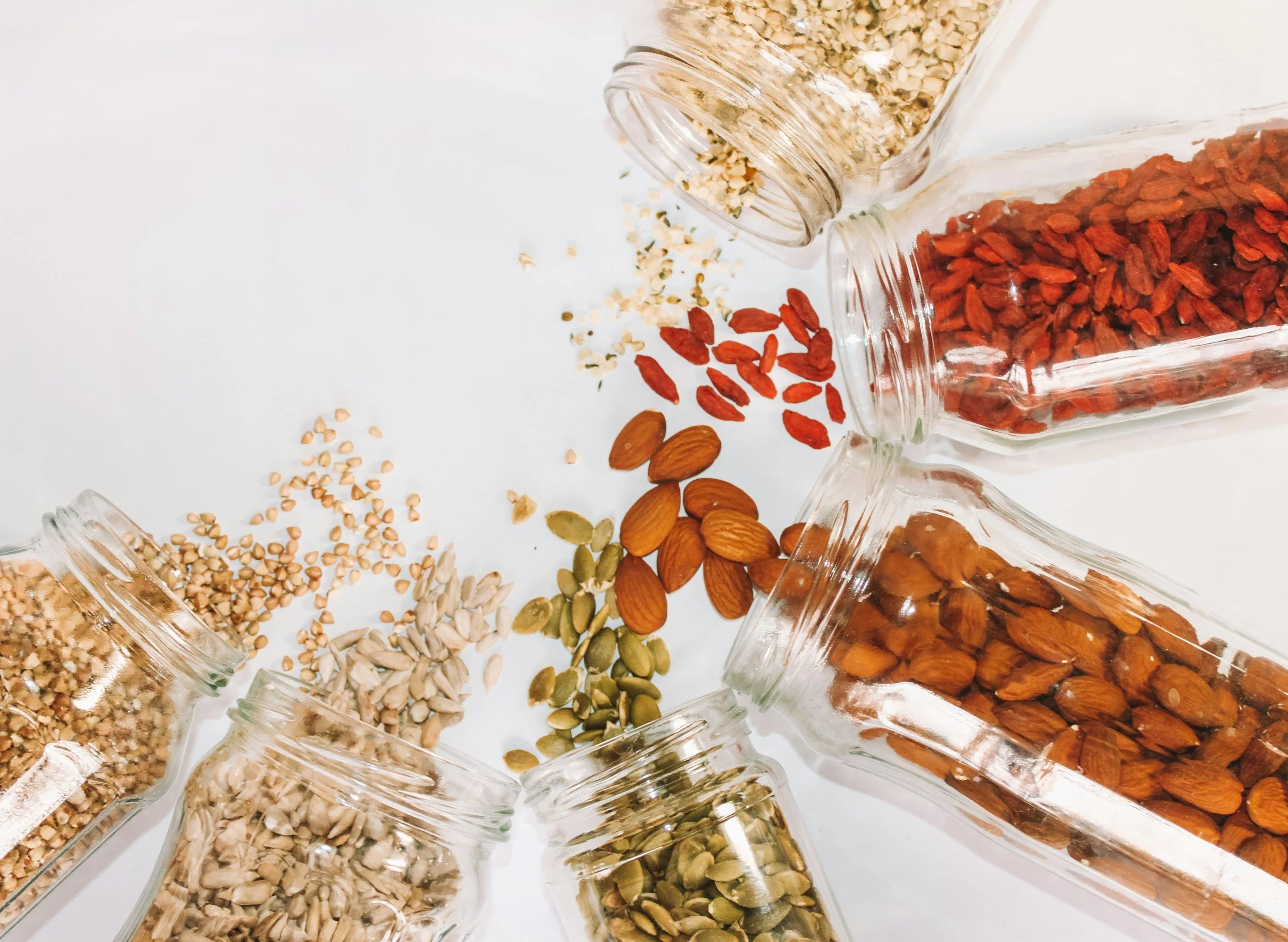
Dietary fiber is a type of complex carbohydrate found in the structural parts of plant foods. It is generally classified as soluble or insoluble:
• Soluble fiber dissolves in water and is partially fermented in the colon.
• Insoluble fiber does not dissolve in water and mainly adds bulk to the stool.
Fiber is best defined by its physiological effects, such as supporting regular bowel movements, improving glycemic control, and lowering cholesterol levels. Although it is not technically classified as an essential nutrient, fiber is crucial for overall health. Increasing fiber intake has been linked to lower cholesterol levels and a reduced risk of diabetes, cardiovascular disease, obesity, and other chronic conditions. Fiber is especially recommended for digestive regularity and blood sugar balance. It also promotes a feeling of fullness after meals.
Should We Maximize Our Fiber Intake?
The idea of maximizing fiber sounds appealing, given its many benefits. However, there is no established upper limit for fiber intake. The most practical approach is to first aim for the recommended daily amounts.
As with any long-term dietary change, it’s best to increase fiber gradually rather than all at once. A sudden jump can lead to side effects such as bloating, gas, cramping, and even temporary constipation.
How Much Is the Right Amount?
The recommended adequate intake for dietary fiber is:
• 25 grams per day for women
• 38 grams per day for men
(or approximately 14 grams per 1,000 kcal consumed)
For children and adolescents, targets vary by age and sex:
• Young children: around 19 g/day
• Older boys: 31–38 g/day
• Older girls: 25–26 g/day
While 25–40 grams may sound achievable, most people currently consume only about 15 grams per day on average.
What Can I Eat to Increase My Fiber Intake?
Dietary fiber is listed on nutrition labels under “Total Carbohydrates.” A food is considered high in fiber if it provides 20% or more of the Daily Value per serving.
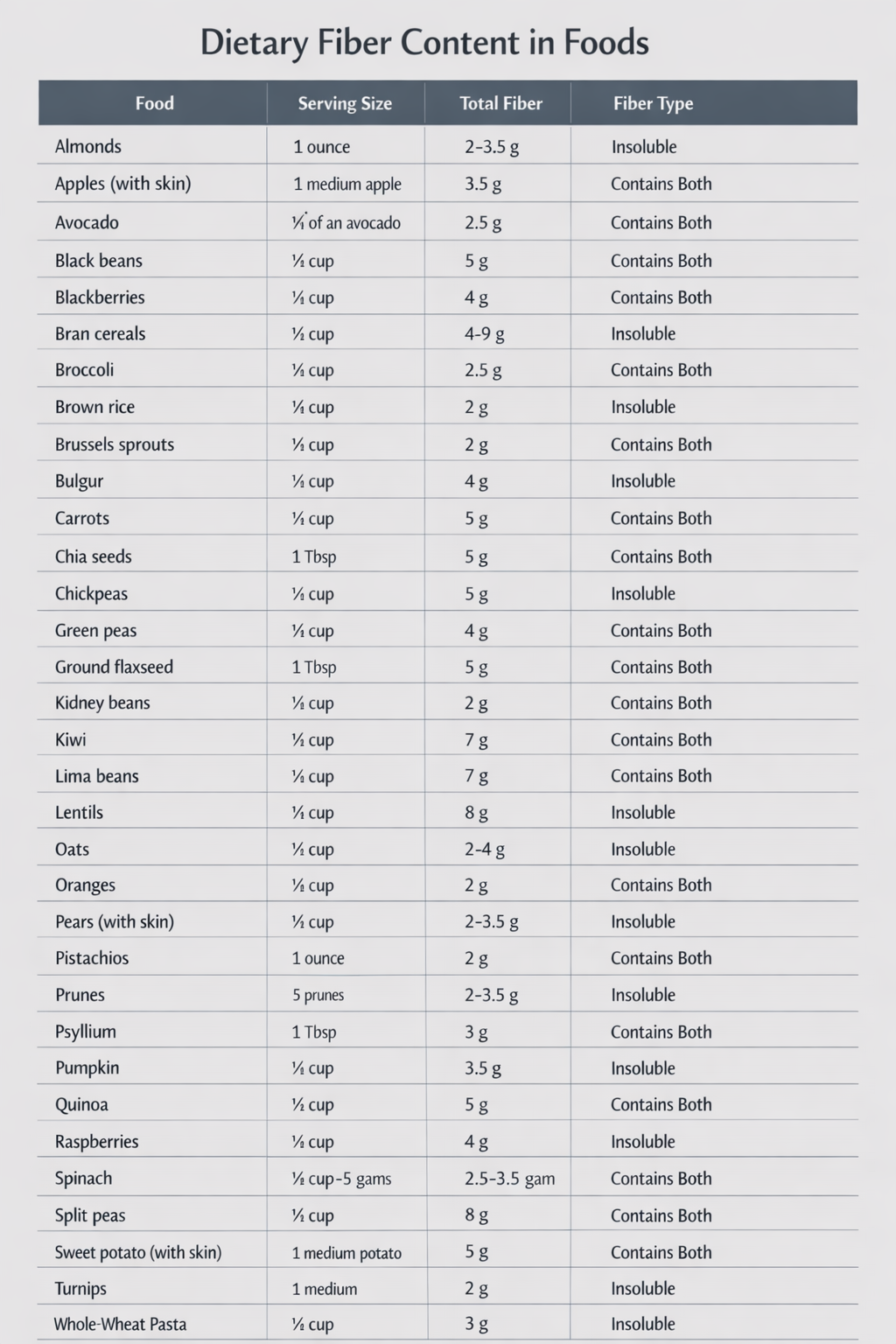
For fresh produce without labels (e.g., broccoli or avocado), you can quickly check approximate fiber content using reliable food databases or the list below.
Adding more fruits and vegetables naturally boosts fiber intake — and the benefits go beyond fiber alone. “You’re also getting a variety of micronutrients, vitamins, minerals, antioxidants, and phytochemicals that support overall health through dietary variety.”
To minimize common side effects like gas and bloating when increasing fiber:
• Increase gradually over days or weeks
• Drink plenty of water throughout the day
(this also helps meet your daily hydration goals)
High-Fiber Food Sources and Amounts
References
Institute of Medicine / National Academies of Sciences, Engineering, and Medicine (2005). Dietary Reference Intakes for Energy, Carbohydrate, Fiber, Fat, Fatty Acids, Cholesterol, Protein, and Amino Acids. Washington, DC: National Academies Press.
U.S. Department of Agriculture and U.S. Department of Health and Human Services (2020). Dietary Guidelines for Americans, 2020-2025. 9th Edition.
Mayo Clinic (2025). Chart of high-fiber foods. https://www.mayoclinic.org/healthy-lifestyle/nutrition-and-healthy-eating/in-depth/high-fiber-foods/art-20050948
Harvard T.H. Chan School of Public Health (2024). The facts on fiber. https://www.health.harvard.edu/nutrition/the-facts-on-fiber
USDA FoodData Central (güncel veritabanı). https://fdc.nal.usda.gov/
Academy of Nutrition and Dietetics (2015). Position of the Academy of Nutrition and Dietetics: Health Implications of Dietary Fiber. Journal of the Academy of Nutrition and Dietetics.
Nutritionist Ipek Baro
